

Slow Tourism and Nature Connection
9th September 2023
In recent years, the travel industry has seen a significant shift towards more mindful and sustainable travel experiences. Travellers are increasingly seeking meaningful and rejuvenating experiences that go beyond the superficial checklist of tourist attractions. This shift has given rise to the concept of "slow tourism," a movement that encourages travelers to explore destinations at a slower pace, immerse themselves in local culture, and prioritises sustainability. Within this broader slow tourism movement, wellness tourism has emerged as a powerful force, providing travellers with the opportunity to nourish their bodies and minds while connecting with the environment around them. An effective way to achieve this connection is through the practice of "forest bathing" and other nature-based activities. In this article, we will explore how Forest Bathing and nature connection practices contribute to slow tourism, fostering a more sustainable and enriching travel experience.
What is Slow Tourism?
Slow tourism, also known as "slow travel" or "cultural tourism," is a philosophy and approach to travel that prioritises quality over quantity, depth over breadth, and sustainability over excess.
Unlike traditional tourism, which often involves rushing from one tourist hotspot to another, slow tourism invites travellers to engage more intimately with their destinations. It encourages travellers to break free from the hurried pace of conventional tourism and immerse themselves in a destination at a more relaxed and contemplative pace. This usually involves spending more time in one place, and exploring the culture, traditions, and natural beauty of the region, and fostering a deeper connection between travellers and the places they visit. Underpinning the slow tourism philosophy is the promotes sustainability, authenticity, and a respect for local culture and heritage.
The slow tourism movement emerged as a response to the negative impacts of mass tourism, including environmental degradation, overcrowding, and cultural homogenisation. It prioritises the quality of the travel experience over quantity, encouraging travellers to explore a destination at a leisurely pace, immersing themselves in the local culture, engaging with local communities, and appreciating new environments, whilst reduce their ecological footprint. It aligns well with the principles of sustainability, authenticity, and mindfulness. Rooted in the broader slow movement, which began with "slow food" in Italy in the 1980s, slow tourism is a response to the drawbacks of mass tourism, including overdevelopment, environmental degradation, and cultural homogenisation.
The Key Principles of Slow Tourism
Sustainable Travel
Slow tourism emphasises responsible and sustainable travel practices. Travellers are encouraged to minimise their environmental footprint by choosing eco-friendly transportation options where possible, reducing waste, and supporting local initiatives that promote sustainable tourism.
Authentic and immersive Experiences
Slow tourists seek genuine and immersive experiences. Instead of rushing through a checklist of tourist attractions, they take the time to interact with locals, learn about their customs, and engage in cultural activities. Slow tourists take the time to engage in meaningful activities that allow for a deeper understanding of the destination.
A Leisurely Pace
Slow tourism embraces the idea that the journey is as important as the destination. Travellers are encouraged to take their time, allowing for spontaneity and serendipitous discoveries along the way.
Mindfulness and Connection
Slow tourism also encourages travellers to disconnect from the constant digital distractions and reconnect with themselves and their surroundings, allowing for a deeper appreciation of the destination and its people.
Mindful Consumption
Slow travellers focus on the quality of their experiences and purchases rather than accumulating souvenirs and ticking off tourist hotspots.
The Benefits of Slow Tourism
Preservation of Authenticity
As more travellers embrace slow tourism, there is a growing emphasis on preserving the authenticity of destinations. This can help protect local heritage, traditions, and landscapes from the negative impacts of mass tourism.
Cultural Enrichment
Slow tourism provides travellers with the opportunity to fully immerse themselves in the local culture. By participating in local traditions, exploring local cuisine, and interacting with residents, ‘slow tourists’ gain a deeper understanding and appreciation of the destination.
Cultural Preservation
In this way slow tourism also promotes cultural preservation by valuing and supporting local traditions and heritage. Visitors who immerse themselves in the local way of life can help to sustain traditional practices and contribute to the vitality of indigenous cultures.
Economic Development
By spending more time in a destination and engaging with local businesses, slow tourists stimulate the local economy. This creates jobs and encourages the development of small-scale, community-based enterprises, reducing economic dependency on large tourism corporations.
Sustainability and Environmental Conservation
Slow tourism is inherently eco-friendly as it emphasises the importance of responsible and sustainable travel practices. Travellers who opt for sustainable transportation, such as trains or bicycles, reduce their carbon footprint and spending more time in one place reduces the need for constant movement, limiting the impact of transportation on the environment. By reducing the carbon footprint associated with travel and by supporting local businesses, slow travellers contribute to both the long-term preservation of the environment and local economies.
Reduced Crowds and Overtourism
One of the most significant benefits of slow tourism is the alleviation of overtourism. By spreading tourism over a longer duration and to less-visited areas, it reduces the strain on popular destinations and helps preserve their natural beauty and cultural authenticity. By encouraging travellers to explore lesser-known regions in this way, it disperses the tourist crowds, reducing congestion and the strain on infrastructure.
Enriched Relationships
Travelling slowly allows for more meaningful interactions with fellow travellers and locals. These connections can lead to long-lasting friendships and a deeper understanding of different cultures.
Improved Wellbeing
Slow tourism prioritises wellbeing and mindfulness. Travellers who adopt this approach often return home with a sense of rejuvenation and personal growth. Slowing down and being present in the moment can reduce stress and enhance mental health. This has led to a a subsection of Slow Tourism often referred to as ‘Wellbeing Tourism’.
Wellness or Wellbeing Tourism

Wellness or Wellbeing tourism is a natural extension of Slow Tourism, as it aligns with many of the movement's core principles. It emphasises the holistic wellbeing of travellers, encompassing physical, mental, and spiritual aspects. It encourages individuals to rejuvenate, relax, and reconnect with themselves and their surroundings, and unlike traditional tourism, which often involves busy itineraries, sightseeing, and indulgence, wellbeing tourism prioritises self-care, mindfulness, and health. Travellers deliberately choose destinations and activities that contribute to their physical, mental, and emotional wellness.
The growth of wellbeing tourism can be attributed to several factors:
Increased Stress and Burnout
Modern life is characterised by high levels of stress, demanding schedules, and burnout. People are often looking for ways to escape and rejuvenate, as well as explore new destinations, making wellbeing tourism an attractive option.
Health and Wellness Awareness
As people become more health-conscious, they are seeking vacations that align with their wellness goals, making wellbeing tourism a natural choice.
An Aging Population
Older people are more fequently looking for ways to maintain their health and vitality, leading to a higher demand for wellness-focused travel experiences.
Technology Detox
Many wellbeing tourists are also seeking a break from technology and the constant connectivity of the digital world, opting for destinations that encourage digital detoxification.
Social Media Influence
The portrayal of idyllic wellness retreats and experiences on social media has inspired travelers to seek similar experiences, contributing to the trend's popularity.
Forest Bathing and Slow Tourism

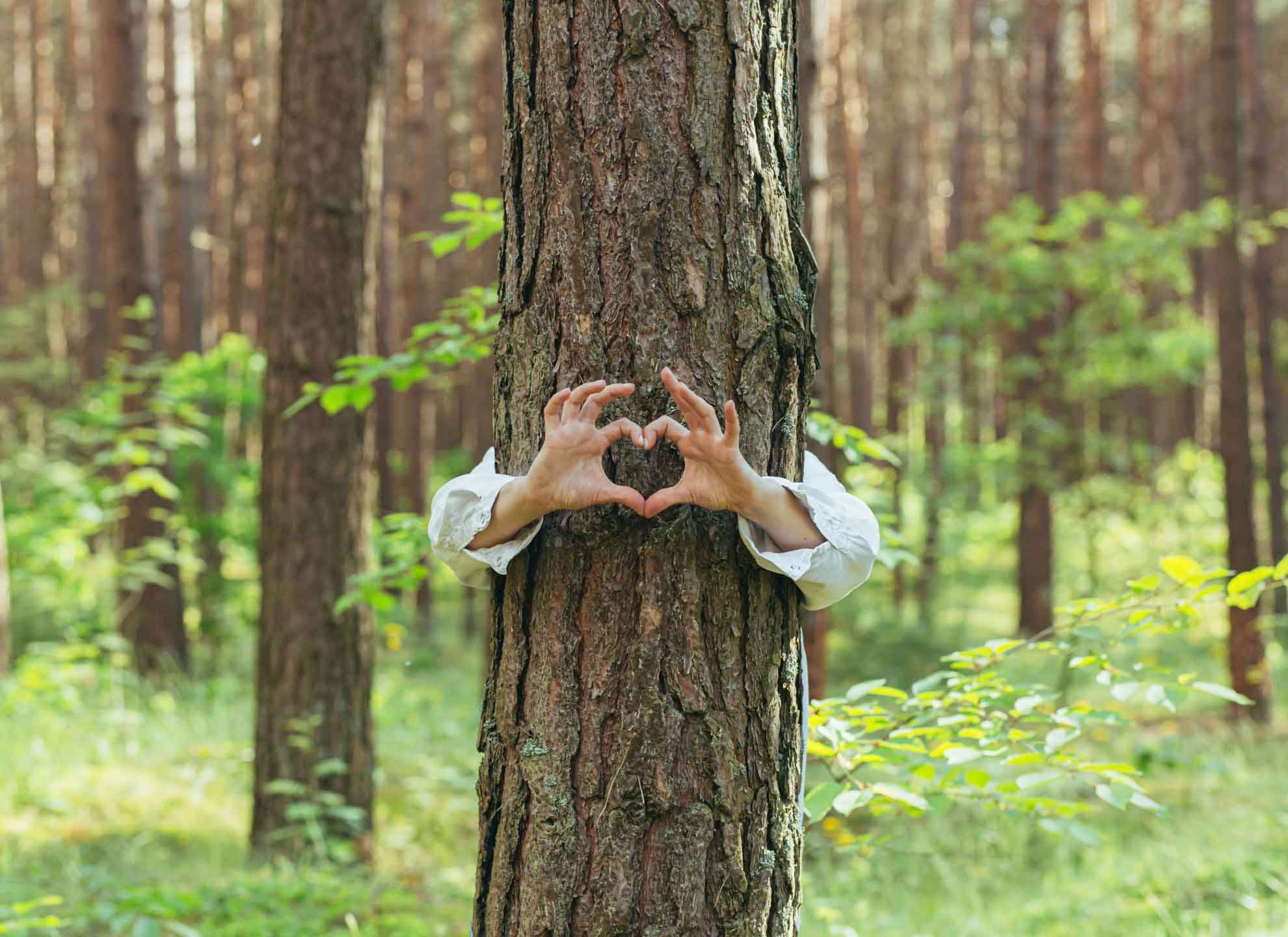
Forest Bathing, or "Shinrin-yoku" in Japanese, is a practice that originated in Japan in the 1980s. It involves immersing yourself in a forest environment, and engaging with nature through all your senses to connect with your environment more deeply. This practice is founded on the idea that nature has profound healing effects on our physical and mental well-being. It does not involve actual bathing but rather focuses on the immersive experience of being in a natural setting. Forest Bathing can form a part of Slow Tourism and aligns well with the underlying philosophy.
Mindful Connection with Nature
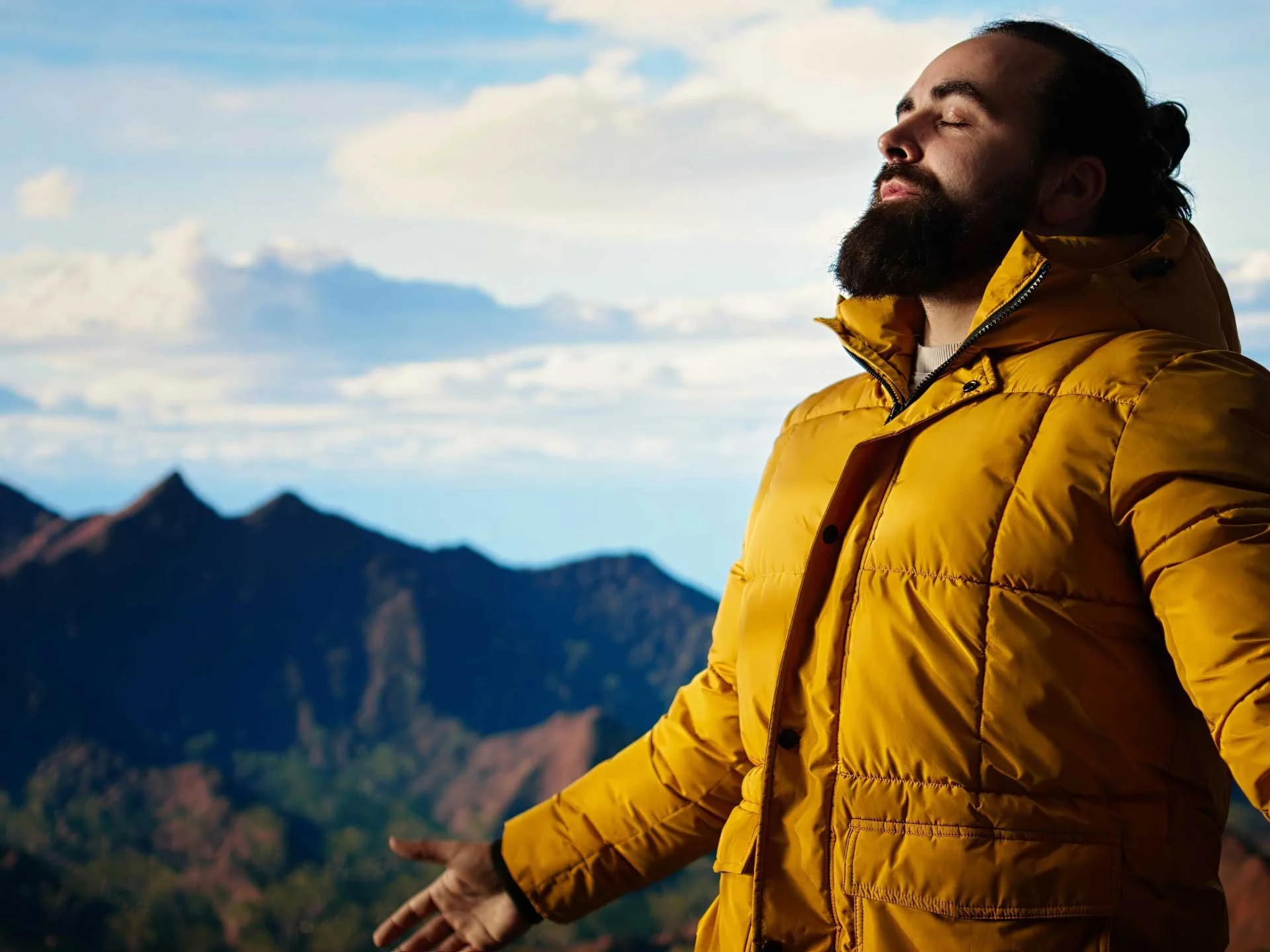
Forest Bathing encourages people to slow down and connect with the natural world. By immersing themselves in the forest atmosphere, travellers can experience the calming effects of nature, reduce their stress levels, and promote their overall wellbeing. This deep connection fosters a sense of appreciation for the environment, aligning perfectly with the slow tourism philosophy of savoring each moment.
Authentic Cultural Experiences
Slow tourism prioritises authentic cultural exchanges. Forest bathing often recognises and incorporates indigenous practices and traditions, giving travellers the opportunity to learn about local customs and beliefs. This cultural immersion enhances the travel experience, promoting a deeper connection with the destination and its people.
Increasing Environmental Awareness
Nature connection practices promote a deeper appreciation for the environment, encouraging travellers to become advocates for conservation and increasing their desire to protect natural landscapes. In this way Forest Bathing can promote environmental consciousness and encourage travellers to respect and protect natural habitats. This newfound awareness can also lead to more responsible tourism practices. Slow tourism encourages responsible travel practices, such as minimising waste and reducing carbon emissions, and so by participating in Forest Bathing, tourists develop a greater appreciation for nature's beauty and vulnerability, further aligning with the principles of sustainable travel and encouraging environmental stewardship.
Encouraging Local Engagement
Travellers who engage in nature connection practices such as Forest Bathing often seek out remote and less-visited natural areas. This disperses tourism away from overcrowded tourist hotspots, benefiting local communities that may have been negatively impacted by mass tourism.
Supporting Local Communities
Slow tourism emphasises supporting local economies and communities. Forest Bathing experiences are often led by local guides and experts who share their knowledge and passion for the environment. This not only provides economic benefits to the community but also encourages travellers to develop meaningful relationships with the people who call the destination home.
Encouraging Sustainable Tourism
Slow tourism seeks to minimise the negative impacts of travel on both the environment and local cultures. Forest Bathing and nature connection practices naturally align with this goal, as they promote responsible and sustainable travel behaviour. As previously mentioned, travellers who engage in these practices are more likely to adopt eco-friendly habits during their journeys.
Nature connection practices can extend beyond Forest Bathing and encompass a wide range of activities aimed at strengthening the bond between humans and the natural world. These practices can include walking and hiking, birdwatching, wildlife tracking, and even eco-conscious camping.
Final Thoughts
Slow tourism is about embracing the journey, immersing yourself in the local culture, and forming a deeper connection with the environment. Forest Bathing and nature connection practices are powerful tools for achieving these goals. As more people seek respite from the hustle and bustle of modern life, these practices offer a way to slow down, appreciate the natural world, and contribute positively to the places they visit. By engaging in these activities, travellers can not only enhance their own wellbeing but can also contribute to the preservation of natural landscapes and the empowerment of local communities. As the slow tourism movement continues to grow, Forest Bathing and similar practices can play an essential role in shaping more sustainable and enriching travel experiences for all. By integrating nature-connection activities such as Forest Bathing into our travel experiences, we can not only benefit personally but also play a crucial role in preserving the beauty of our planet for future generations.
If you have enjoyed this article and would like to support what we do by donating £2 or more to buy saplings to plant on our Social Croft, please follow the link below:




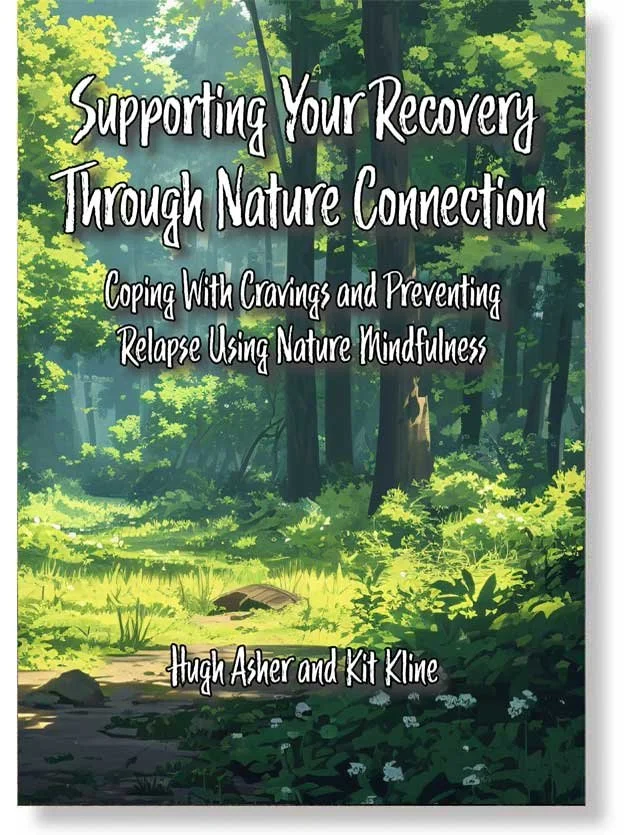


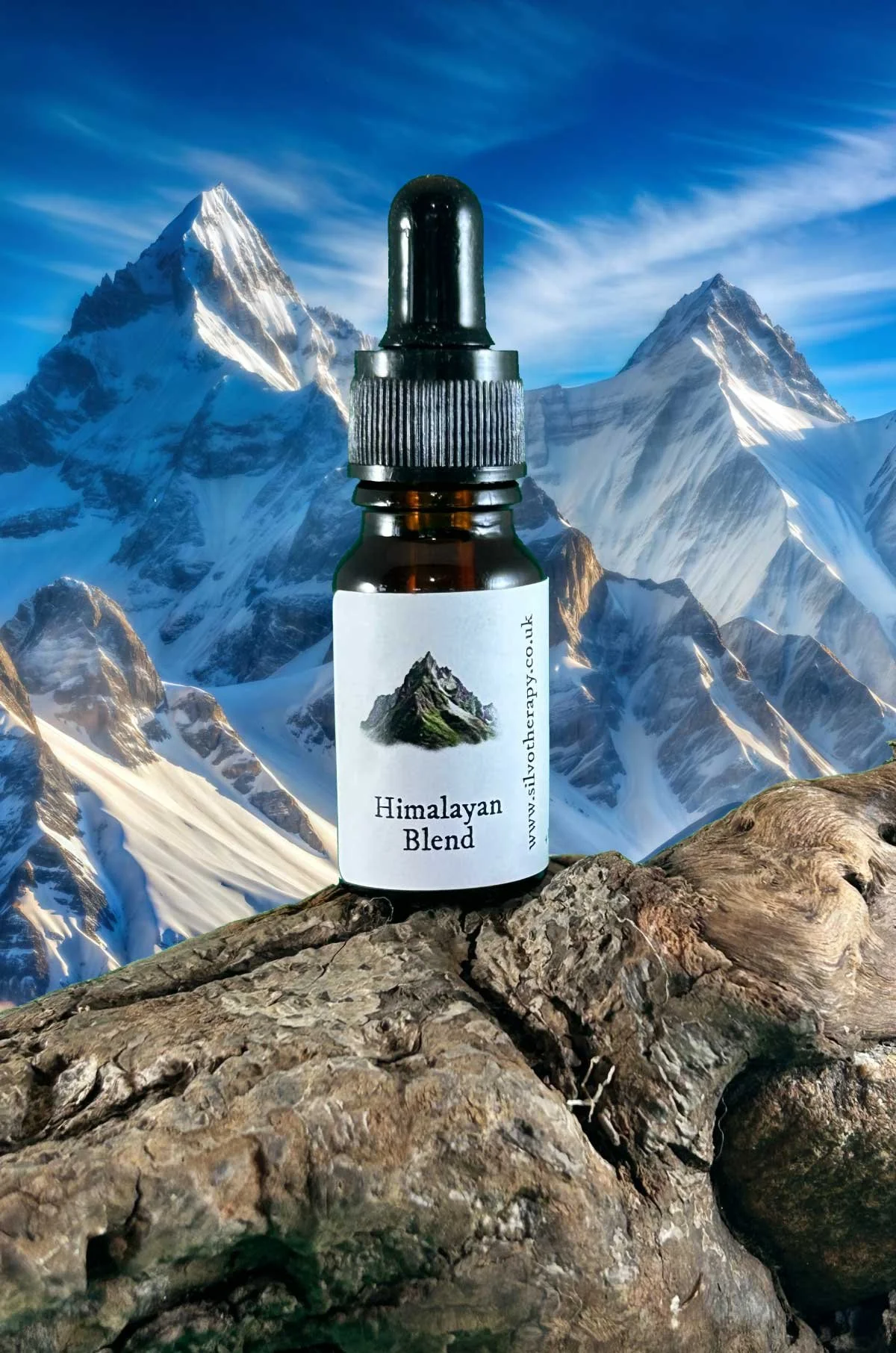





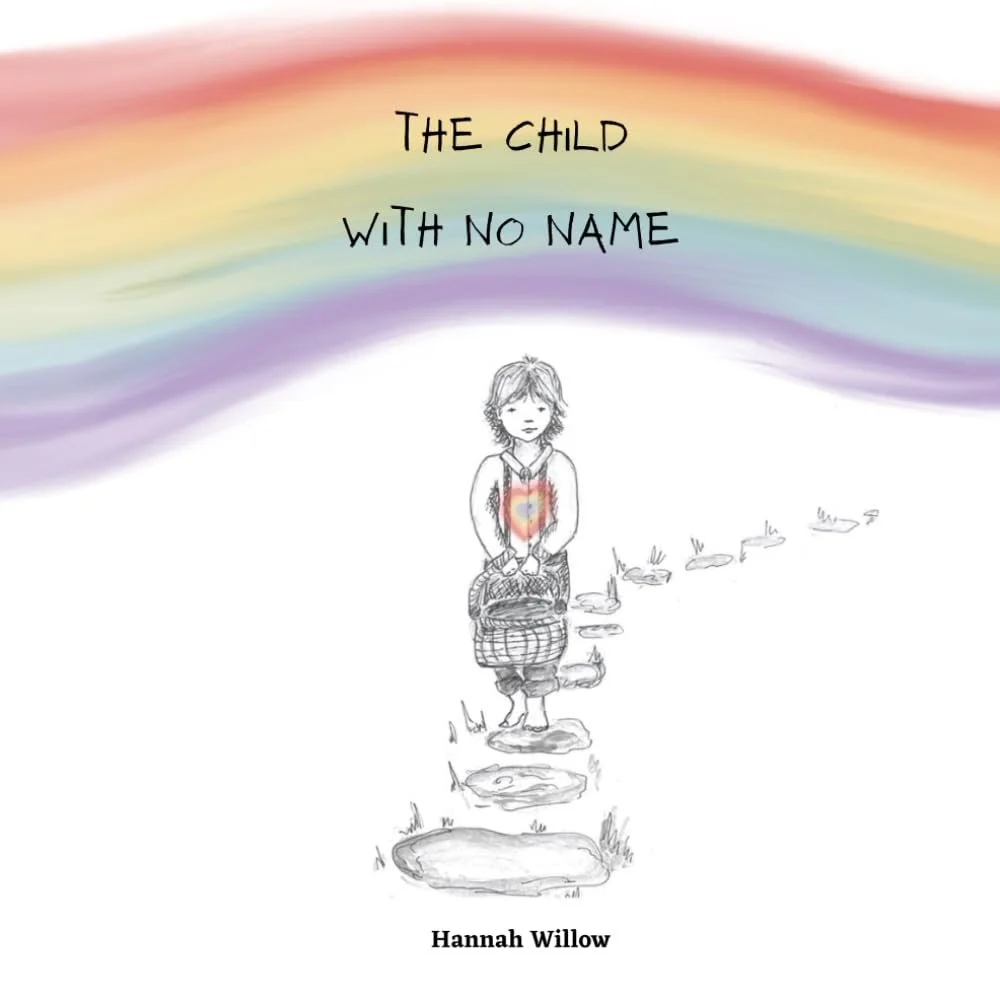


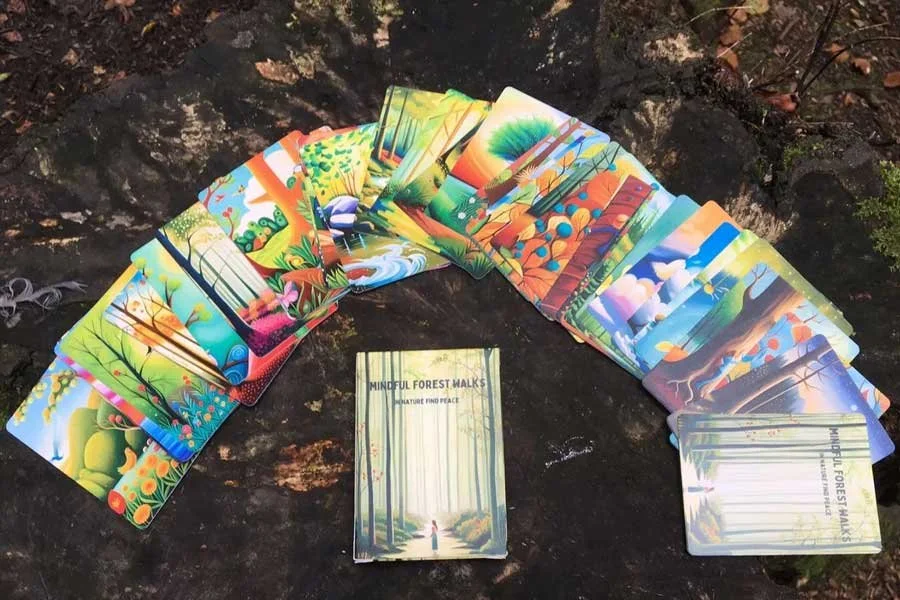


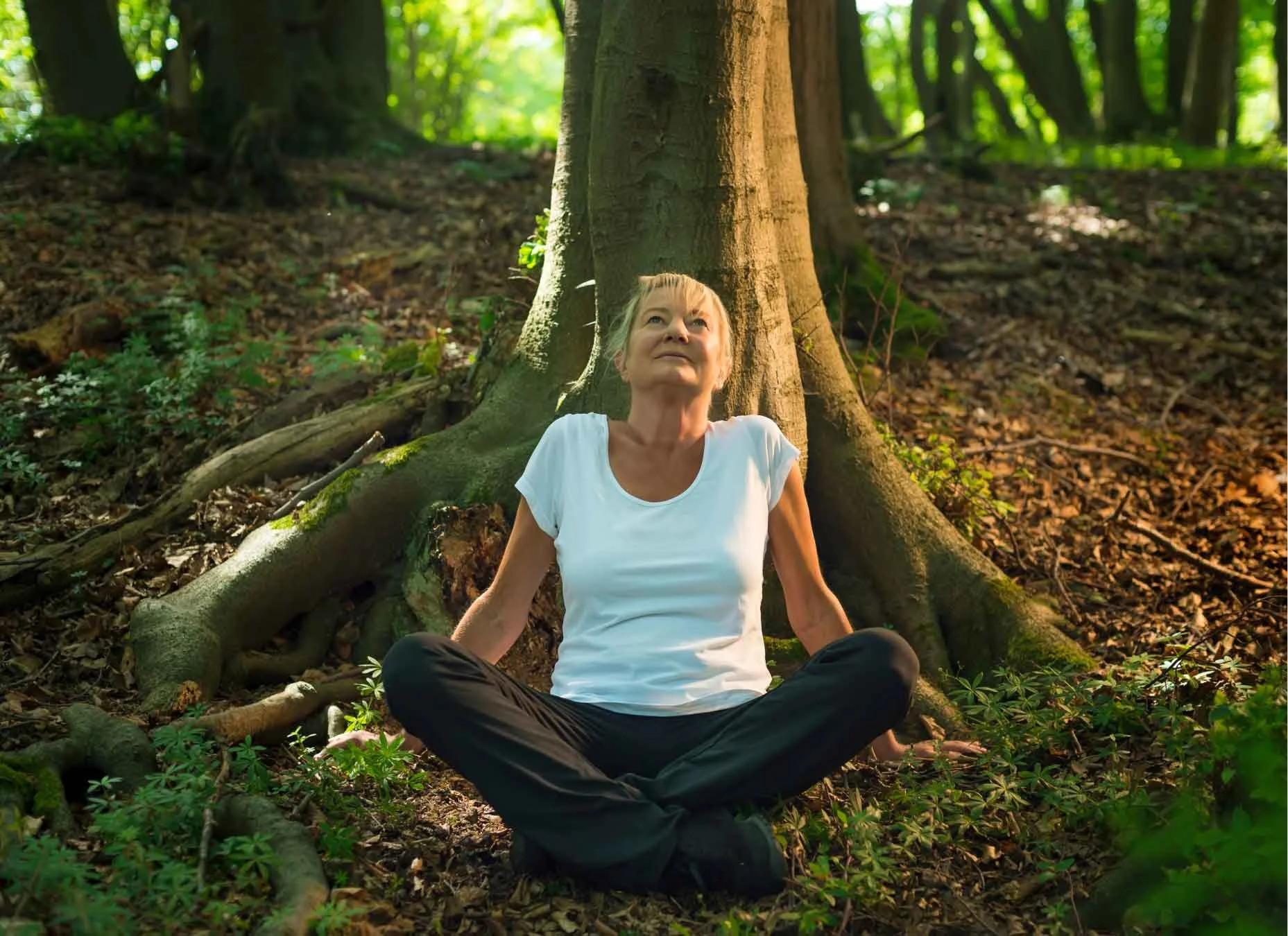


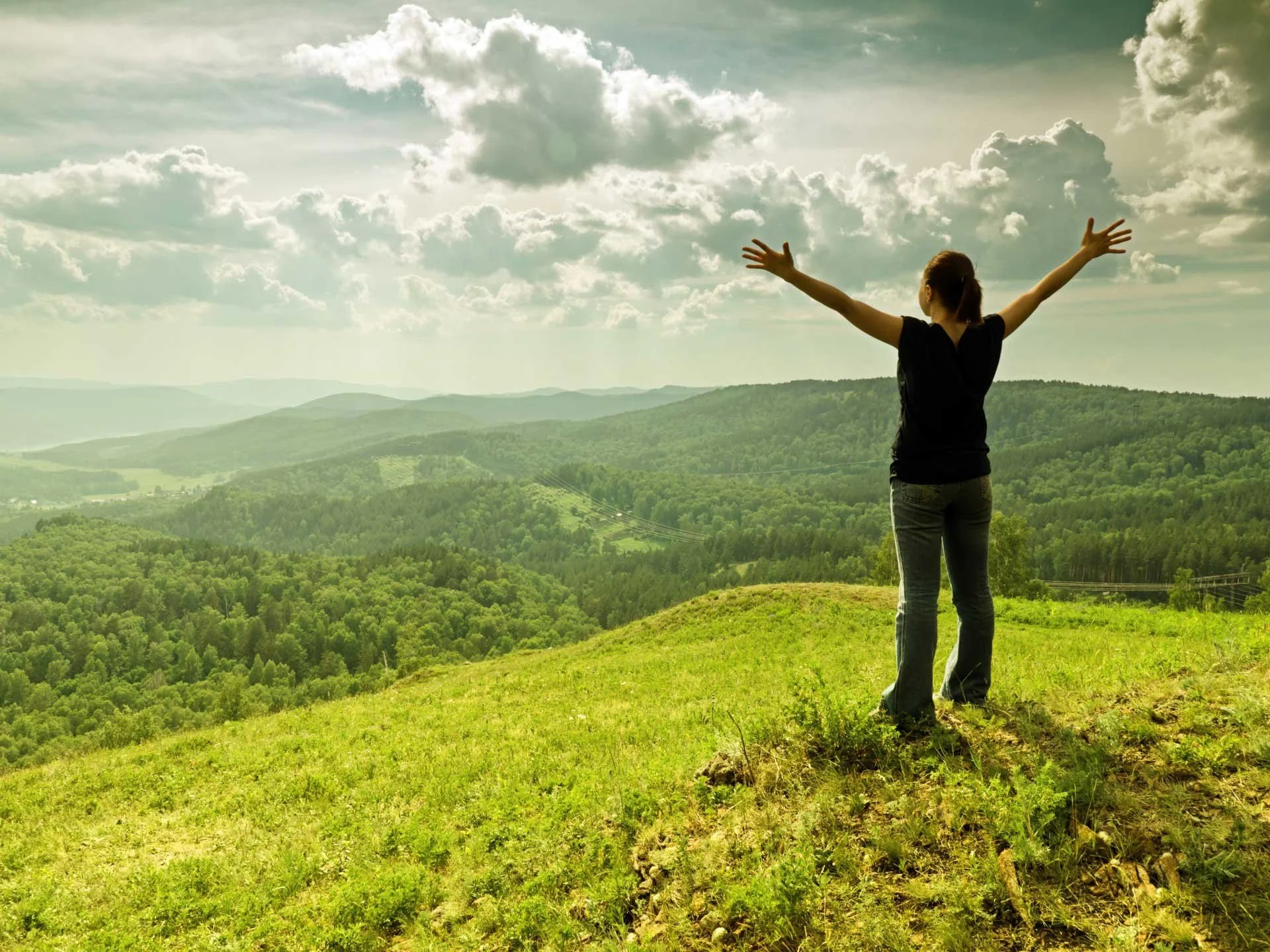








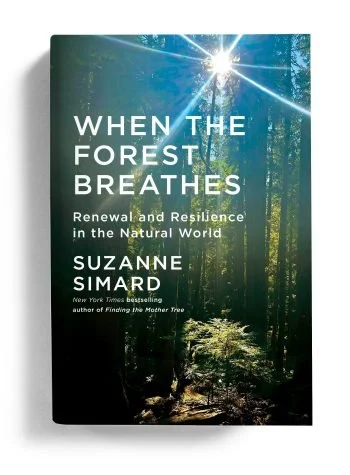


A small collection designed to gently open the door into deeper relationship with the natural world.
This complete set of four Forest Healing booklets brings together practical guidance, reflective ideas, and simple nature connection practices that can be used anywhere — from ancient woodland to a nearby park, garden, or even a single Sit Spot outdoors.
Written to be accessible, grounding, and easy to follow, these booklets offer a pathway into the core practices of Forest Bathing (Shinrin-yoku), Silvotherapy, and everyday nature connection. Rather than asking you to achieve anything, they simply invite you to slow down, notice more deeply, and allow nature to become an active presence in your wellbeing.
Across the four booklets you will explore:
• What Forest Bathing, Silvotherapy, and Nature Connection actually are
• The key benefits of spending mindful time in natural environments
• The practice of the “Sit Spot” and how to develop your own relationship with a chosen place
• Simple, practical Forest Bathing invitations you can try alone or with others
• Ways to bring nature connection into everyday life, even in small moments
Together, they form a gentle introduction to practices that have been shown to support reduced stress, improved mood, greater clarity of thought, and a deeper sense of belonging within the natural world.
These are not academic texts or rigid instruction manuals. They are invitations — encouraging you to step outside, slow your pace, and rediscover the quiet intelligence of trees, weather, and landscape.
Whether you are completely new to nature connection or looking to deepen an existing practice, this collection offers a simple, supportive starting point for building a more intentional and restorative relationship with the living world around you.
A small set of booklets that can change the way you experience even the most familiar patch of nature.
Buy all Four Forest Bathing and Nature-Connection Booklets for £11.00 including FREE P&P within the UK.
Postage to the Rest of the World is £4.