

Everything you wanted to know about Forest Bathing (but didn’t know who to ask!)
23rd September 2023
What is Forest Bathing?
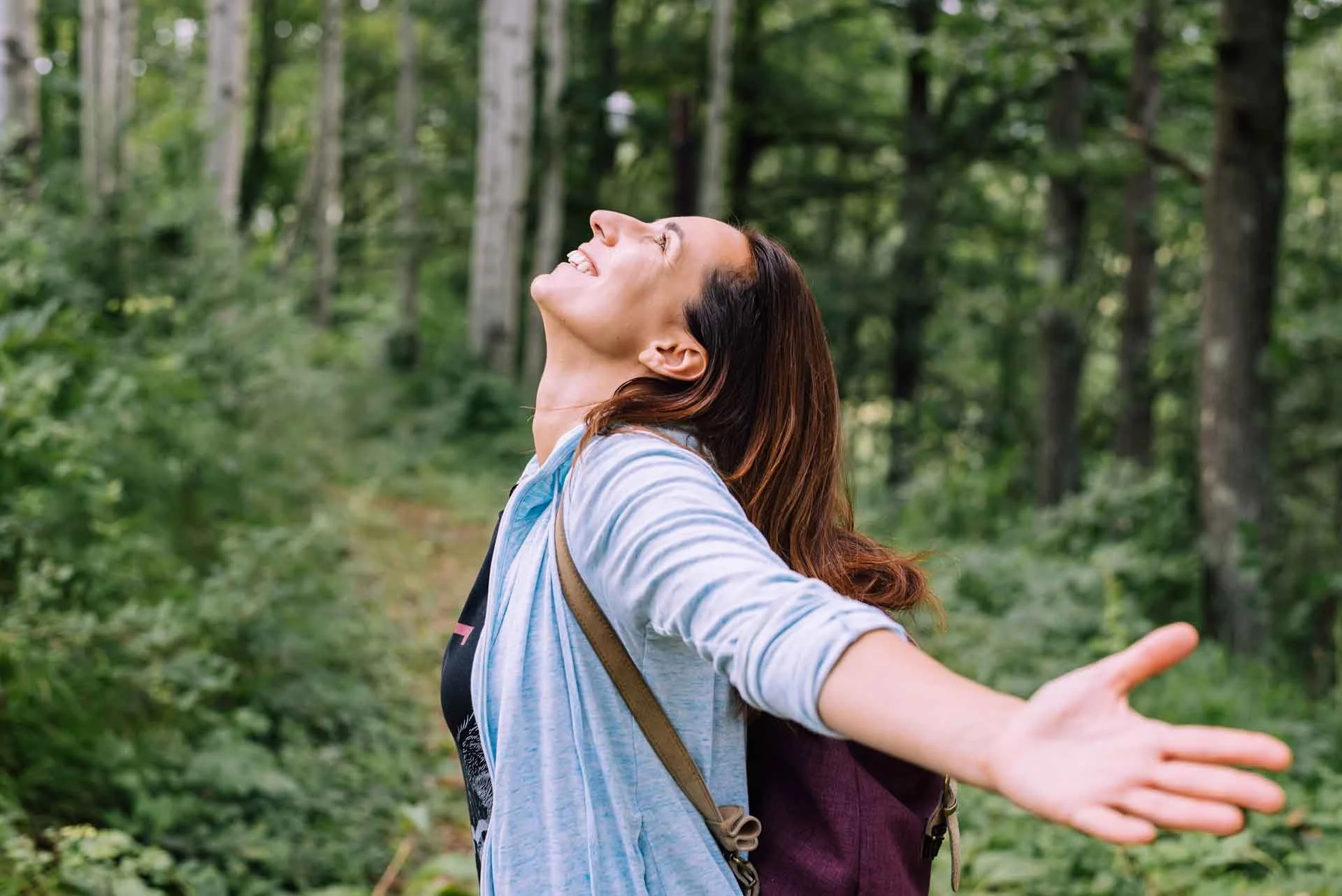
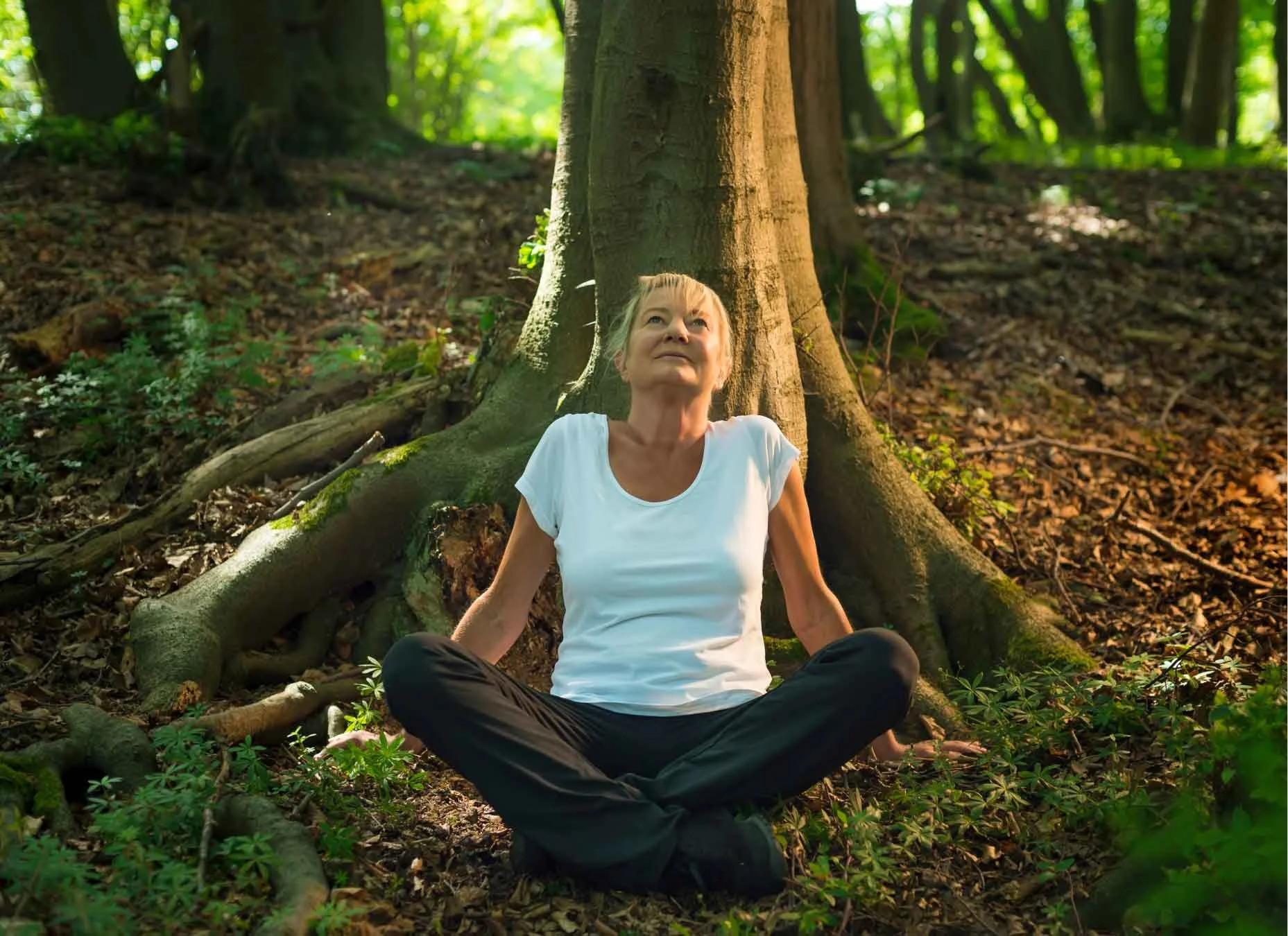
Forest Bathing is a health-promoting, nature-connection practice that aims to enhance mental and emotional wellbeing, and relieve stress and anxiety. It involves mindfully connecting with nature and the natural environment through all of your senses.
Why do they call it Forest Bathing?
People who practice it often find it physically, psychologically and emotionally beneficial to spend time immersing themselves or ‘bathing’ in the atmosphere of the forest.
Does Forest Bathing involve swimming or getting wet?
Forest Bathing is not a kind of ‘wild swimming’ in a lake in a forest. As previously mentioned, it is a ‘nature-immersive’ experience where people ‘bathe’ in the atmosphere of the forest. However, some of the greatest places for Forest Bathing, both in Scotland and Japan, are in the temperate rainforests where there is higher than average rainfall, so it can never be guaranteed that you won’t experience a shower, even if not a bath!
Is Forest Bathing all about Hugging Trees?

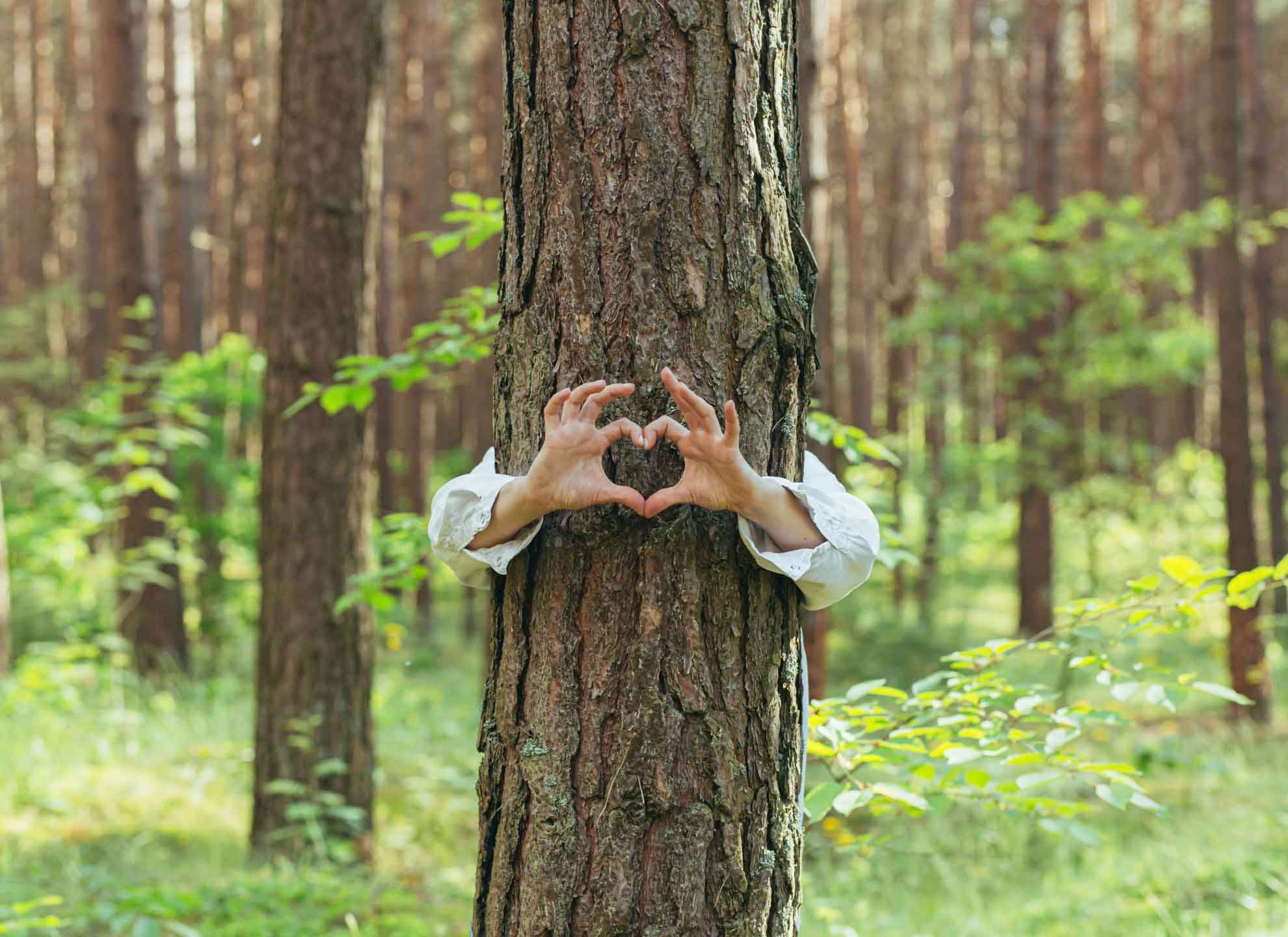
Well, yes and no! Forest Bathing can involve actually wrapping your arms around a tree. But it can also involve simply feeling the texture of the bark, smelling the leaves or needles, and noticing the beauty of a tree from further away, as well as just mindfully taking in the environment, landscape and soundscape around the tree.
Where did Forest Bathing originate?
The concept of Forest Bathing originated in Japan in the 1980s as a response to a growing public health crisis. This practice of immersing oneself in a forest or natural environment, intentionally taking in the sights, sounds, and smells of the forest, and connecting with nature in a mindful way was devised by the Japanese Ministry of Agriculture, Forestry, and Fisheries as part of a public health initiative to encourage people to spend more time in natural environments, particularly forests, for their physical and mental well-being.
Since its inception in Japan, the concept of Forest Bathing has gained popularity worldwide as people increasingly recognise the many benefits of spending time in nature can have for their wellbeing. Many countries have adopted similar practices and have their own terms for it, but the origins of the practice can be traced back to Japan.
How do you say Forest Bathing in Japanese?

In Japan, the practice of Forest Bathing is called ‘Shinrin-yoku’. Shinrin in Japanese means ‘forest’, and yoku means ‘bath’, so shinrin-yoku means to bathe in the forest atmosphere, or to take in the forest through your senses. The Japanese characters even look a little like trees:
森林浴
What does Forest Bathing involve?
Forest Bathing is not really about physical activity like hiking or jogging, but is more about being present and mindful in a natural setting, connecting with nature through your senses of sight, hearing, taste, smell and touch.
Why is Forest Bathing good for your health?
Forest Bathing has been shown to be beneficial for health in numerous ways:
Stress Reduction
Spending time in a natural forest environment has been shown to lower cortisol levels, which are associated with stress. The calming atmosphere of the forest and the sensory experiences it provides can help reduce stress and promote relaxation.
Improved Mood
Forest bathing has been linked to improved mood and decreased symptoms of depression and anxiety. Nature's beauty and tranquility can have a positive impact on mental wellbeing, helping to lift your mood and reduce feelings of sadness or negativity.
Boosted Immune System
Some research suggests that spending time in nature, particularly in forests, can enhance the activity of natural killer (NK) cells, a type of white blood cell that plays a crucial role in immune system function. This boost to the immune system can help the body better defend against illness and disease.
Increased Energy and Vitality
Forest Bathing can leave you feeling rejuvenated and full of energy. The fresh air, natural surroundings, and sensory experiences can help combat feelings of fatigue and increase overall vitality.
Enhanced Concentration and Cognitive Function
Time in nature has been associated with improved concentration, creativity, and cognitive function. It can provide a mental break from the demands of modern life and help improve focus and problem-solving skills.
Lower Blood Pressure
Forest Bathing has been shown to lower blood pressure, which is beneficial for cardiovascular health. The calming and stress-reducing effects of nature can contribute to better heart health.
Respiratory Benefits
Breathing in the phytoncides, volatile organic compounds emitted by trees, has been suggested to have positive effects on the respiratory system. It may reduce symptoms of asthma and improve lung function.
Connection to Nature
Forest bathing encourages a deeper connection to the natural world, fostering a sense of awe and appreciation for the environment. This connection can lead to increased environmental awareness and a desire to protect and preserve nature.
Reduced Mental Fatigue
Spending time in nature can reduce mental fatigue and the effects of information overload. It allows the mind to rest and recover from the constant stimulation of modern life.
Overall Wellbeing
Forest Bathing promotes a holistic sense of wellbeing by addressing both physical and mental health. It offers a break from the hustle and bustle of daily life and allows you to recharge and reset.
What is a Forest Bathing Guide?
The role of a Forest Bathing Guide is to help you to slow down, both physically and mentally, and to help you to relax and let go of stress by offering structured nature-connection activities, known as Forest Bathing ‘Invitations’. These are offered in a carefully designed sequence to create an experience that enhances nature connection and boosts the therapeutic and restorative effects of nature for health and well-being for you.
However, a fundamental concept in Forest Bathing is that it is the forest and the natural environment that facilitates the wellbeing benefits, and not the guide. As Amos Clifford, author of ‘Your Guide to Forest Bathing: Experience the Healing Power of Nature’ describes:
“The Forest is the Therapist. The Guide Opens the Doors.”
How Does Forest Bathing Differ From Just a Walk in the Woods?
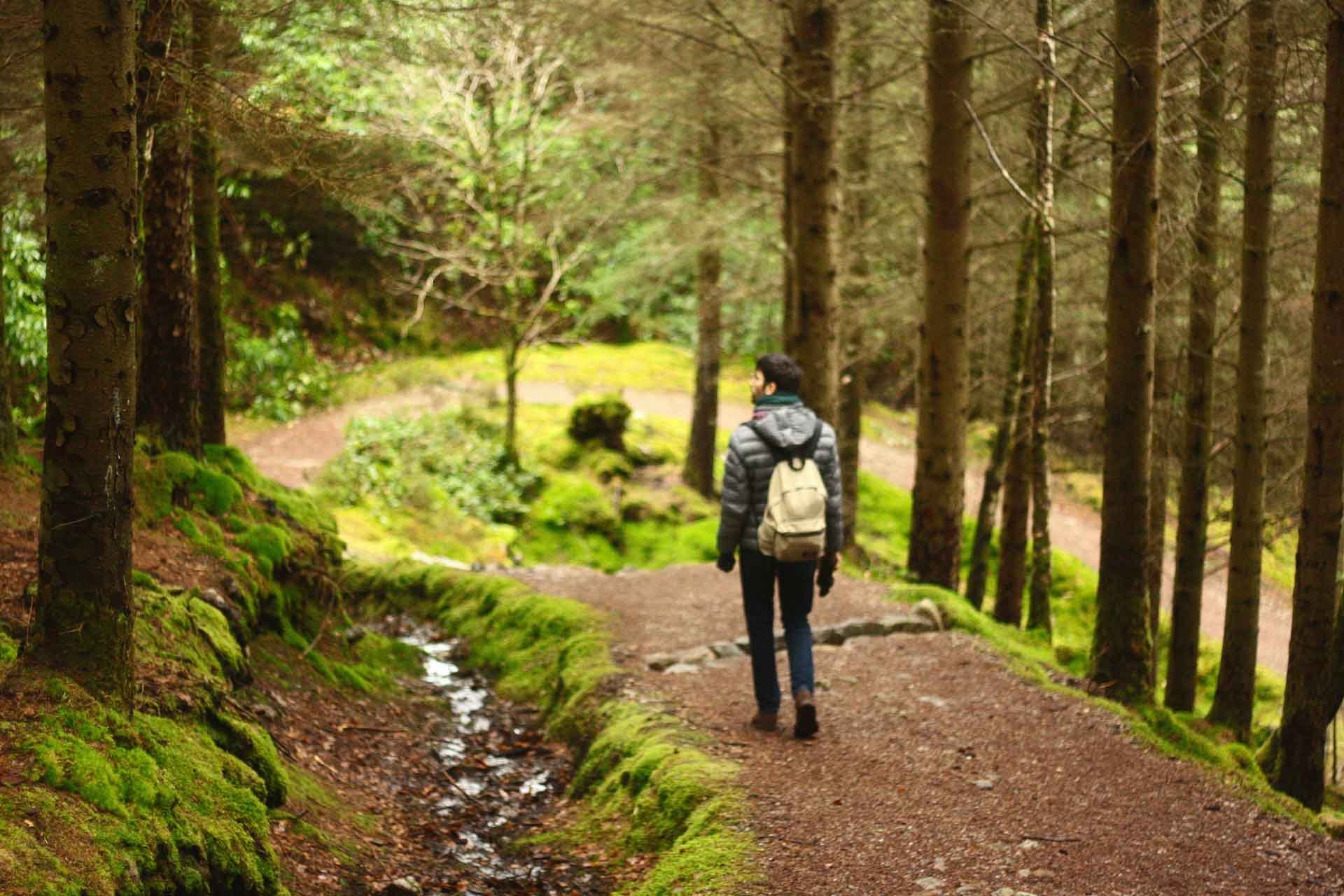
The difference is mainly in intention and distance covered. ‘Ordinary’ walks often have a geographical goal, such as getting to the top of a hill or mountain, or walking all the way around a lake. Quite often we can be so focused on getting to where we want to go that we fail to notice what is around us. On a Forest Bathing walk, the intention is to increase our awareness of our environment and increase our nature-connection - the goal is achieving a positive and beneficial state of mind and the experience of reduced stress and increased relaxation rather than reaching a destination or covering a particular distance.
Can you take yourself Forest Bathing?
Whilst there are Certified Forest Bathing Guides such as myself, you can easily take yourself on a guided Forest Bathing walk. The distance you walk is not important, and the speed at which you walk should be slow enough to take in your surroundings. Although any wood or forest away from the noises of civilisation is ideal, it is often best to try Forest Bathing somewhere you know well, initially. This is partly to reduce the chances of getting lost, and partly to enable you to reflect better on how much more you notice when you actively seek to experience what is around you, with all your senses ‘open’. Recognising and reflecting on what you might usually not notice or might take for granted is valuable.
What is ‘Silvotherapy’ and how is it different to Forest Bathing?
Forest Bathing and Silvotherapy are two related health-promoting nature-connection practices that are both intended to enhance mental and physical wellbeing. Whilst many people view Forest Bathing and Silvotherapy as one and the same, some people describe Silvotherapy as a practice originating in Europe (France in particular) that is subtly different to Forest Bathing. Forest Bathing has a focus on walking and sitting in nature, and immersing yourself in the forest environment using your different senses in comparably equal amounts. Silvotherapy sessions in contrast are usually shorter than Forest Bathing sessions - lasting about 30 to 40 minutes in duration - and have a greater focus on the sensations associated with touch and actual physical contact with the trees than Forest Bathing. It is also proposed that Silvotherapy practices derive greater benefits from the Phytoncides and Terpenes that trees produce as they are most concentrated in close proximity to the trees. Whilst Forest Bathing sessions are often seen as an activity to be undertaken weekly or a few times a month (see below for more), Silvotherapy sessions are more commonly completed daily, or at least multiple times a week and there is usually less walking involved.
How often should you Forest Bathe?
There's no fixed rule or one-size-fits-all answer to how often you should go Forest Bathing. It's a flexible practice that can be tailored to your unique circumstances and needs. The frequency at which you go Forest Bathing can vary depending on your personal preferences, your individual needs and circumstances, your lifestyle, and the availability of natural areas. However, here are some factors to consider:
Personal Goals
Consider your reasons for practicing Forest Bathing. If you're seeking stress relief, relaxation, or improved wellbeing, you might find that going once a week or a few times a month is sufficient. However, if you're dealing with high levels of stress or specific health concerns, you might benefit from more frequent sessions.
Availability of Accessible Natural Areas
Your access to natural areas, such as forests, parks, or woodlands, may influence how often you can go Forest Bathing. If you live near a forest or have easy access to natural environments, you may be able to practice more frequently.
Lifestyle
Your daily schedule and commitments also play a role. Some people may find it challenging to engage in Forest Bathing frequently due to work, family, or other responsibilities. In such cases, even occasional sessions can be beneficial.
Preference
Your personal preference and comfort level in natural settings matter. Some individuals feel a strong connection to nature and may want to spend time outdoors regularly, while others may prefer less frequent visits.
Seasonal Considerations
The season can impact how often you engage in Forest Bathing. Some people prefer the beauty and climate of certain seasons, such as Spring or Autumn, and may go more frequently during those times.
Adaptation
Over time, you may find that you develop a deeper connection to nature and become more skilled at incorporating mindfulness and sensory awareness into your daily life. This can reduce the need for formal Forest Bathing sessions, as you integrate the practice into your routine.
Individual Needs
Listen to your body and mind. If you're feeling particularly stressed, fatigued, or in need of rejuvenation, consider scheduling more frequent Forest Bathing sessions until you feel a sense of balance and wellbeing.
How long should you Forest Bathe for?
Most guided Forest Bathing walks will last between 2 and 3 hours. How long you go out for if you are taking yourself on a guided Forest Bathing walk is up to you.
Research undertaken by Exeter University, Uppsala University and University of Michigan Medical School that was published in the journal Nature, shows that people who spend at least 120 minutes in nature each week are significantly more likely to report higher psychological well-being than those who don't visit nature at all during an average week. The benefits peaked at between 200–300 minutes of contact with nature per week, with no further gain beyond this. The pattern was consistent across a wide rang of key groups including men and women, older adults, across different occupational and ethnic groups, among those living in both rich and poor areas, and those with long-term health issues. Importantly, the research found that it did not matter how the 120 minutes of contact a week was achieved, whether in a single visit or over several shorter visits.
Can you talk during Forest Bathing?
Yes, you can talk during a Forest Bathing walk if you wish, but the practice usually encourages quietness and mindfulness of your natural surroundings. Forest Bathing is about immersing yourself in the forest environment and connecting with nature on a deeper level. While occasional conversation with companions is acceptable, the emphasis is on embracing the sensory experiences of the forest, such as listening to the rustling leaves or bird songs, inhaling the fresh air, and observing the natural beauty around you. Engaging in mindful conversation that enhances your connection to the forest can be a valuable part of the experience, but excessive talking might detract from the tranquility and mindfulness that Forest Bathing aims to cultivate. Ultimately, the choice to talk or remain in silence during Forest Bathing depends on individual preferences, those of the people you are Forest Bathing with and the goals of the session.
If you have enjoyed this article and would like to support what we do by donating £2 or more to buy saplings to plant on our Social Croft, please follow the link below:

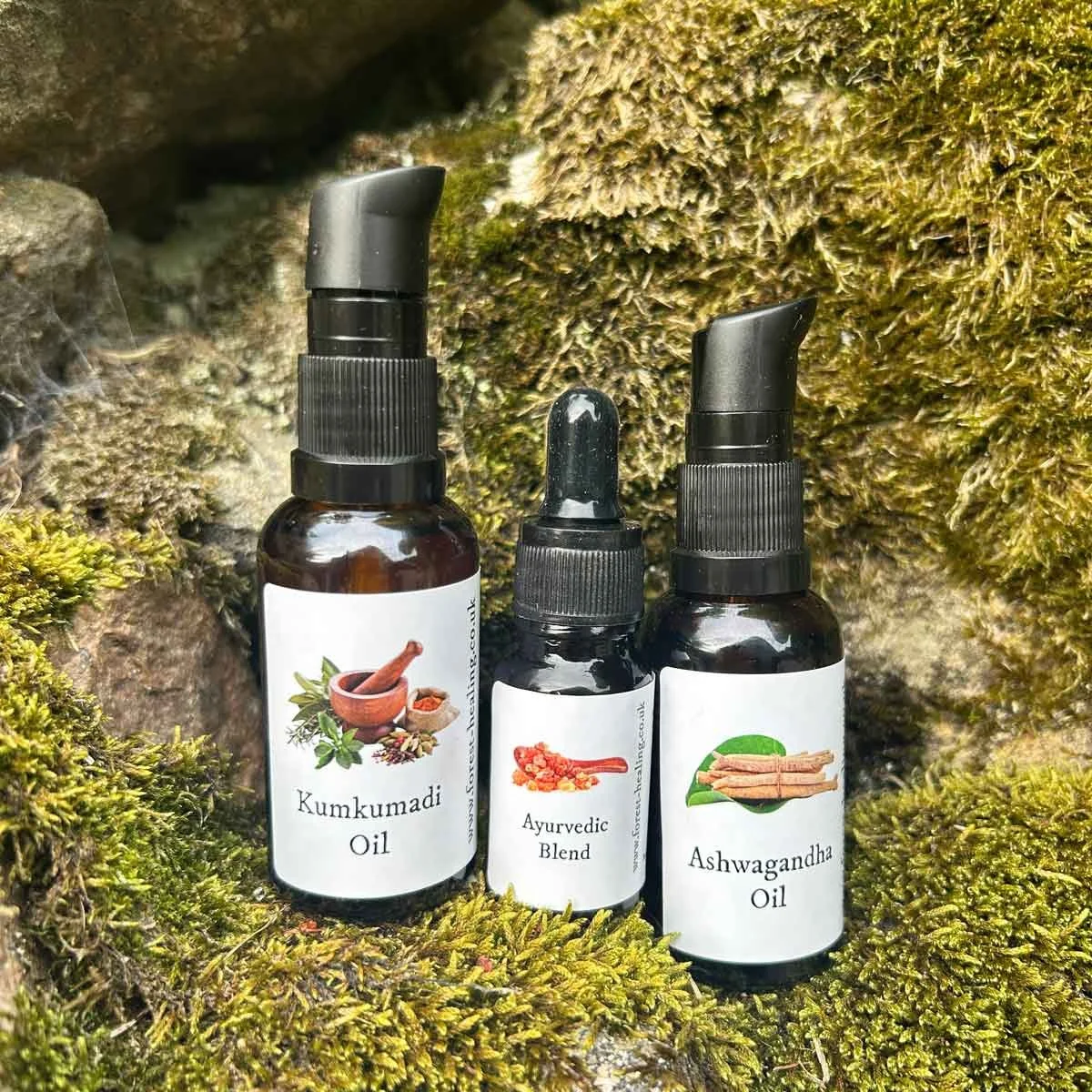


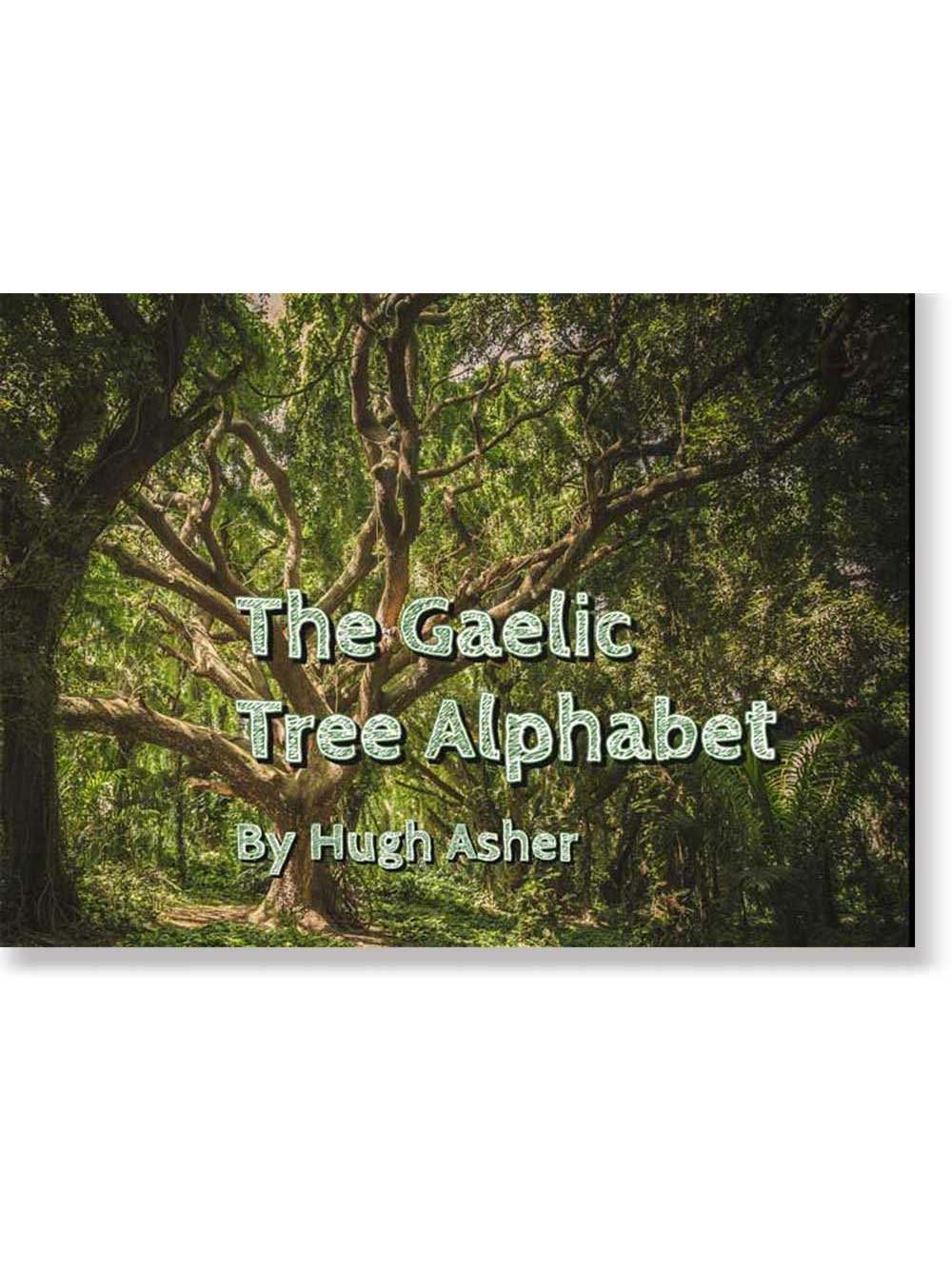
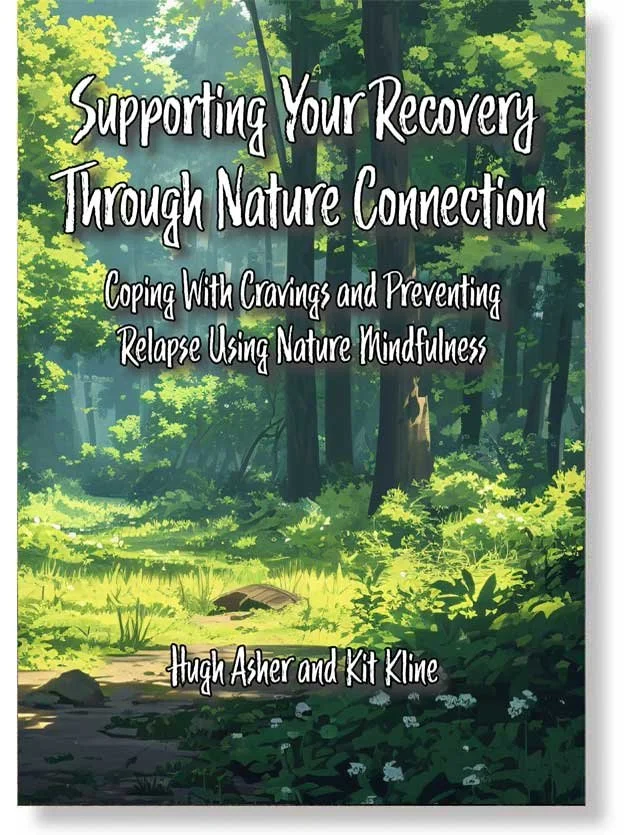


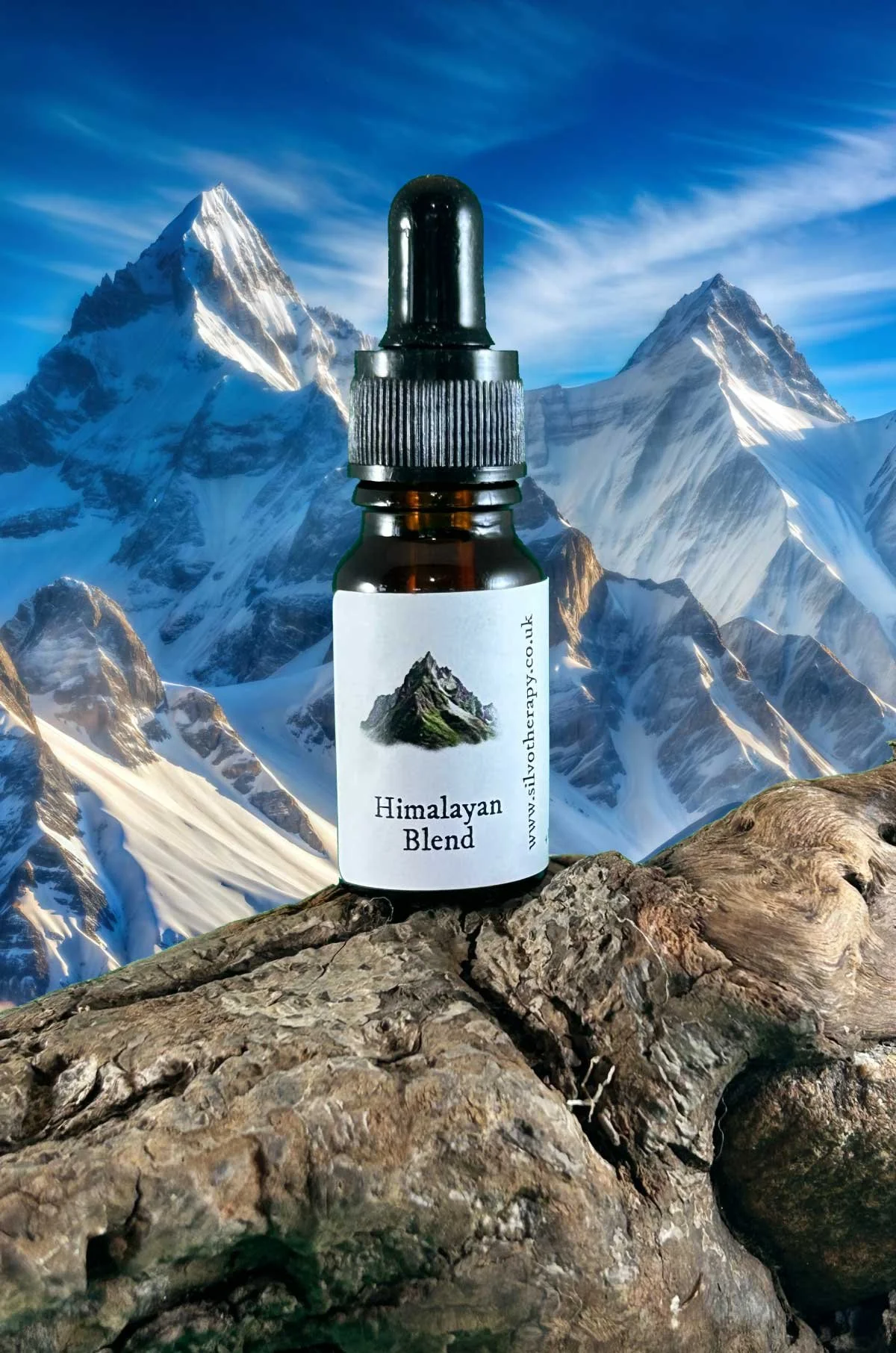















A small collection designed to gently open the door into deeper relationship with the natural world.
This complete set of four Forest Healing booklets brings together practical guidance, reflective ideas, and simple nature connection practices that can be used anywhere — from ancient woodland to a nearby park, garden, or even a single Sit Spot outdoors.
Written to be accessible, grounding, and easy to follow, these booklets offer a pathway into the core practices of Forest Bathing (Shinrin-yoku), Silvotherapy, and everyday nature connection. Rather than asking you to achieve anything, they simply invite you to slow down, notice more deeply, and allow nature to become an active presence in your wellbeing.
Across the four booklets you will explore:
• What Forest Bathing, Silvotherapy, and Nature Connection actually are
• The key benefits of spending mindful time in natural environments
• The practice of the “Sit Spot” and how to develop your own relationship with a chosen place
• Simple, practical Forest Bathing invitations you can try alone or with others
• Ways to bring nature connection into everyday life, even in small moments
Together, they form a gentle introduction to practices that have been shown to support reduced stress, improved mood, greater clarity of thought, and a deeper sense of belonging within the natural world.
These are not academic texts or rigid instruction manuals. They are invitations — encouraging you to step outside, slow your pace, and rediscover the quiet intelligence of trees, weather, and landscape.
Whether you are completely new to nature connection or looking to deepen an existing practice, this collection offers a simple, supportive starting point for building a more intentional and restorative relationship with the living world around you.
A small set of booklets that can change the way you experience even the most familiar patch of nature.
Buy all Four Forest Bathing and Nature-Connection Booklets for £11.00 including FREE P&P within the UK.
Postage to the Rest of the World is £4.